



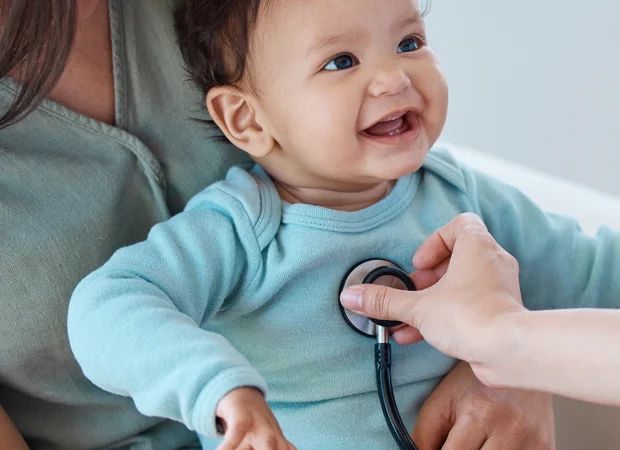
Summer is one of the easiest times of year to catch up on your child’s health, and a wellness visit is the foundation of it all. Whether you’re new to the area or simply overdue for a checkup, knowing what to expect can help the whole family walk in prepared. As a clinic dedicated to pediatric care in Heber Valley, Heber Valley Pediatrics sees children for these wellness checks from the newborn stage all the way through the teen years.
What is a wellness visit?
A wellness visit — also called a wellness check, annual checkup, or sometimes a well-child visit — is a scheduled appointment focused on health, growth, and prevention rather than illness. Instead of treating a specific complaint, the goal is to look at the whole child: tracking how they’re developing over time and catching small concerns before they become bigger ones.
These visits are different from a sick visit or a stop by our walk-in clinic in Heber, which are designed for same-day, acute concerns. Both matter — they simply serve different purposes. Think of wellness checks as the steady, preventive backbone of your child’s care, and sick or walk-in visits as the support system for the unexpected.

Why these visits matter
It’s tempting to skip a checkup when a child seems perfectly healthy, but that’s exactly when these appointments are most valuable. Regular wellness visits give your pediatrician a baseline — a clear picture of what’s normal for your child — so that any change stands out. The American Academy of Pediatrics, through its HealthyChildren.org resource, recommends a consistent schedule of preventive checkups throughout childhood for exactly this reason.
A wellness check is also a natural time to talk through questions that don’t warrant an urgent call: sleep routines, screen time, nutrition, school readiness, mood, and the social changes that come with each new stage. For many families, this conversation is the most useful part of the appointment.
What a wellness check covers
While every visit is tailored to the child’s age, most wellness checks in our Heber City office touch on several dimensions of health in one appointment:
- Growth and development. Height, weight, and (for younger children) head circumference are plotted on growth charts to follow trends over time, alongside age-appropriate developmental milestones.
- A physical exam. The provider checks everything from heart and lungs to eyes, ears, skin, and developing joints.
- Mental and emotional wellness. Depending on age, this might cover mood, anxiety, behavior, social development, and the pressures that come with each new stage.
- Vaccines and immunizations. Your provider reviews whether any routine vaccines are due.
- Prevention and guidance. This is where your questions take center stage, and where guidance on safety, nutrition, and healthy habits comes in.
Our two pediatricians, Dr. Dave Larson and Dr. Holly Richter, take a personalized approach to each of these steps, adjusting the visit to fit the child in front of them rather than working from a one-size-fits-all checklist.
How often should kids be seen?
Wellness visits are most frequent during infancy, when growth and development move quickly, and then settle into a yearly rhythm as children get older. The general pattern many families follow is several visits in the first year, a few more across the toddler and preschool years, and then annual wellness checks through school age and adolescence. Because the first year has its own detailed cadence, we cover it separately in our well-baby visit guide.
Your pediatrician can confirm the right timing for your child’s age and history — this is general information, not a substitute for that personalized recommendation.
How to prepare for a smoother visit
A little planning makes these appointments far more productive. Before you come in, it helps to:
- Jot down your questions. If something has been on your mind — a habit, a worry, a milestone — write it down so it doesn’t get lost in the moment.
- Bring records if you’re new. Immunization history and any prior growth or developmental notes give your provider helpful context.
- Talk with older kids ahead of time. Tweens and teens often appreciate a heads-up that part of the visit may be a private conversation with their provider.
- Note any school or activity forms. If your child needs paperwork for camp, daycare, or sports, the wellness visit can be a convenient time to handle it.
Wellness care for every age in Heber Valley
One of the advantages of choosing a dedicated pediatric home is continuity. When the same practice follows your child year after year, the team comes to know their history, their personality, and their family — which makes guidance more relevant and reassuring. That continuity is at the heart of pediatric care in Heber Valley at our clinic, where families also have access to a female pediatrician in Heber, Dr. Holly Richter, alongside Dr. Larson.
We accept most insurance plans, offer walk-in hours for unexpected needs (availability changes, so check our website or give us a call), and make it easy to book online or by phone or text. To learn more about our wellness exams or to find a time that works for your family, reach out to our team.